
Public sector oil marketing companies (OMCs) on Monday reduced the rate of aviation turbine fuel (ATF) for international airlines by 27 per cent, providing considerable relief to foreign carriers as global fuel benchmarks eased.
However, the rate for domestic carriers was left unchanged for the second consecutive month.
According to industry sources, the reduction has brought down the cost of jet fuel for international carriers by over $400 per kl to nearly $1,100 per kl.
On May 1, the rate for these airlines was raised by $76.55, or 5.33 per cent, to $1,511.86 per kl after more than being doubled to $1,435.31 in April due to a spike in the global energy prices.
Domestic carriers will, however, continue to pay Rs 104,927.18 per kl for the ATF.
State-owned fuel retailers had maintained the prices in May despite an increase in the international rates, absorbing the extra cost to avoid passing it on to customers. Now, when the international cost has reduced, they have passed on the reduction to foreign airlines, while continuing to face losses on domestic supplies.
Congress revives ‘inflation man’ jibe
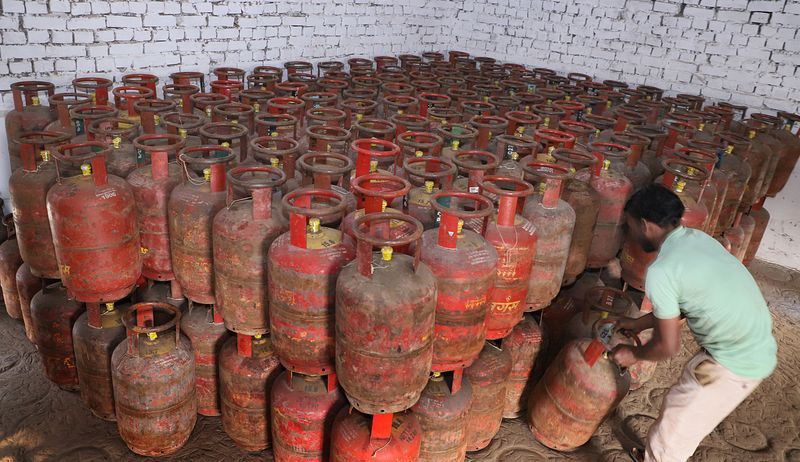
The Congress on Monday targeted Prime Minister Narendra Modi over fresh hike in commercial LPG cylinder rates, reviving its “inflation man” jibe and accusing the Centre of burdening businesses and consumers with repeated price increases. In a post on X, the Congress claimed that commercial LPG cylinder prices had increased by nearly Rs 1,572 in the past five months.
Meanwhile, the commercial LPG rate hit a record high after the OMCs increased the cost by Rs 42 per 19-kg cylinder. In Delhi, the cylinder used by hotels, dining places and other businesses will now cost Rs 3,113.50 instead of Rs 3,071.50. The latest hike comes after a steep increase of Rs 993 on May 1. Additionally, the cost of 5-kg free-trade LPG cylinders has been raised by Rs 11 to Rs 821.50 per cylinder.
Household consumers have been spared any increase, with the price of the 14.2-kg housing LPG cylinder remaining unchanged at Rs 913 since the rate was raised by Rs 60 per cylinder in early March.
The changes are part of the monthly price review by the state-owned oil marketing firms. The prices differ from state to state, depending on the prevalence of local taxes such as VAT.
The prolonged conflict in West Asia has led to a shortage of jet fuel, which is causing difficulties for the airlines all around the world. As the battle moves into its fourth month, the Strait of Hormuz, a vital route for international oil supplies, is still closed, substantially straining fuel supply networks and availability.
According to a formal agreement with the airlines, jet fuel prices in India have been in line with benchmark international prices since they were deregulated more than 20 years ago.
